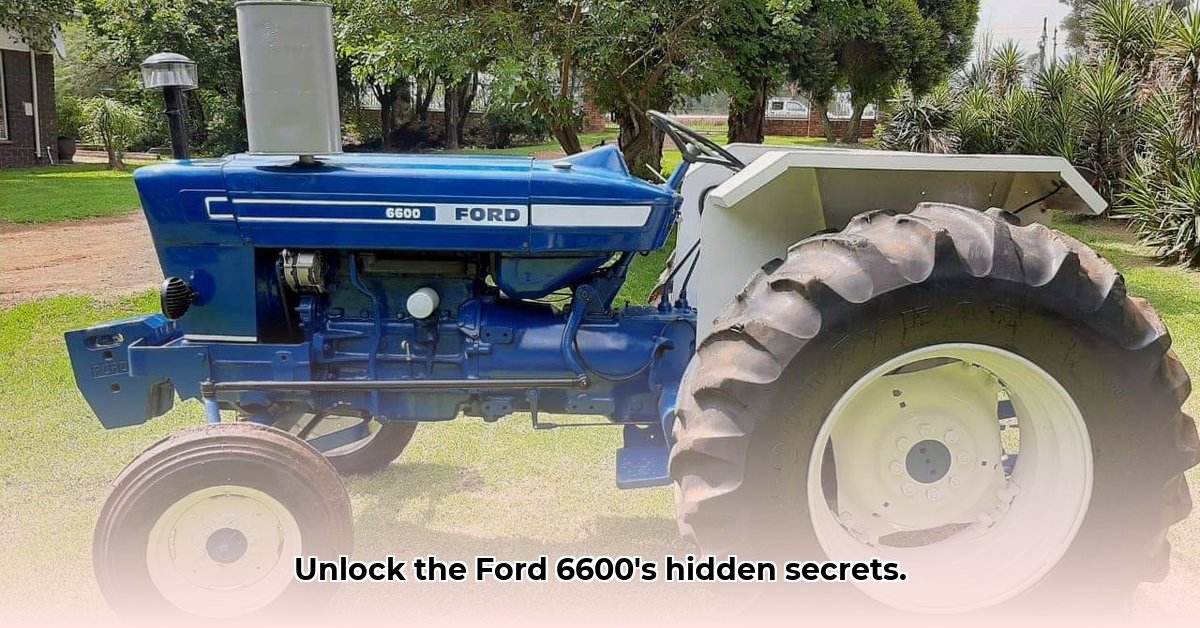
The Ford 6600: a name synonymous with rugged dependability and classic agricultural engineering. Produced between 1975 and 1981, this tractor remains a prized possession for collectors and a testament to a bygone era of farming. This comprehensive guide delves into the Ford 6600's specifications, historical context, restoration advice, and collector's market value, providing essential information for enthusiasts of all levels. For more information on similar Ford tractors, check out this resource on Ford 3600 specs.
Unveiling the Ford 6600's Specifications: A Detailed Breakdown
The Ford 6600 offered farmers a range of options, ensuring versatility for various applications. Understanding these specifications is crucial for both restoration and appreciation of the tractor's design.
Engine Options: The heart of the 6600 beat with one of three engine choices: a 4.2-liter diesel, a larger 4.4-liter diesel, and a 4.2-liter gasoline engine. While diesel models dominated due to their power and fuel efficiency, the gasoline option provided an alternative for specific needs. Did the availability of these engine choices influence the 6600's market penetration? Research suggests a strong preference for diesel, especially in agricultural applications.
Drive Train: Farmers could choose between two-wheel drive (2WD) and four-wheel drive (4WD). This flexibility allowed the 6600 to tackle various terrains, from muddy fields to dry pastures. The 4WD model significantly enhanced traction, particularly in challenging conditions. Did this option significantly increase the tractor's versatility and overall appeal? Many owners cite greater maneuverability and reliability in adverse conditions as key benefits of the 4WD system.
Transmission: Two transmission options complemented the engine choices: an 8-speed manual and a more advanced 16-speed power shift transmission. The 16-speed system offered smoother, more efficient gear changes, improving operational ease and productivity. What impact did the improved transmission technology have on the Ford 6600’s position in the market? The 16-speed transmission enhanced the Ford 6600's competitive edge among similarly priced models.
Summary of Specifications:
| Specification | Details | Notes |
|---|---|---|
| Production Years | 1975-1981 | Relatively short production run compared to some Ford models. |
| Engine Options | 4.2L Diesel, 4.4L Diesel, 4.2L Gasoline | Diesel engines were generally preferred for fuel economy and durability. |
| Drive Type | 2WD, 4WD | 4WD offered superior traction in various terrains. |
| Transmission | 8-speed Manual, 16-speed Power Shift | 16-speed Power Shift provided smoother, more efficient gear changes. |
| Fuel Tank Capacity | Approximately 75 liters (≈ 20 US gallons) | Variations may exist due to optional larger tank installations. |
| Approximate Horsepower | Approximately 76 hp (varies by engine) | Horsepower varied based on engine type and testing method. |
Historical Context: The Ford 6600's Mark on Agricultural History
The Ford 6600 emerged during a period of significant change in the agricultural industry. Positioned as a versatile utility tractor, it catered to a broad range of farming operations. While not a technological leap forward compared to modern standards, its robust design and relatively affordable price point contributed to its widespread adoption. The tractor's original price around $11,500 in 1981 demonstrated its affordability in comparison with competitors. How did the Ford 6600's pricing strategy impact its market success? The reasonable price point made the tractor accessible to a larger pool of farmers.
A Practical Guide to Ownership and Restoration
Owning and restoring a Ford 6600 is a rewarding endeavor, but it requires careful planning and a proactive approach.
1. Sourcing Parts: Finding parts for a vintage tractor can be challenging. Leveraging online forums and communities dedicated to Ford tractors is highly recommended. Joining these forums provides access to a wealth of knowledge and potential parts leads. This collective expertise aids in the identification of obscure parts sources and facilitates connections with fellow enthusiasts who may have encountered similar challenges.
2. Preventative Maintenance: Regular maintenance is key to keeping your Ford 6600 running smoothly. Preventative measures significantly reduce the likelihood of major breakdowns, saving you time and money in the long run. Following a regular maintenance schedule, as outlined in the owner's manual, is crucial to prolonging the life of your machine.
3. Restoration Planning: Tackling a complete restoration requires a structured approach. A well-defined plan, broken down into phases, keeps the project manageable. This systematic approach ensures a more efficient and effective restoration process.
4. Common Issues: Familiarize yourself with common mechanical issues affecting Ford 6600 tractors, such as hydraulic leaks or electrical faults. Proactive identification and addressing potential problems minimize downtime and unexpected repair costs.
The Ford 6600 in the Collector's Market: Value and Appreciation
The Ford 6600 is gaining popularity amongst collectors, driven by its historical significance, relative scarcity, and straightforward mechanical design. The value of a specific tractor depends on its condition, originality, and any additional features. Connecting with online restoration communities provides insights into current market values and trends.
Conclusion: A Legacy of Dependability
The Ford 6600 continues to hold a special place in the hearts of farmers and collectors alike. Its blend of robust design, reasonable cost, and proven reliability during its production years established a lasting legacy. While challenges exist in parts sourcing and restoration, the rewards of owning and restoring a Ford 6600 are undeniable. This classic tractor offers a unique connection to agricultural history and the enduring appeal of dependable machinery.